Bridge Replacement
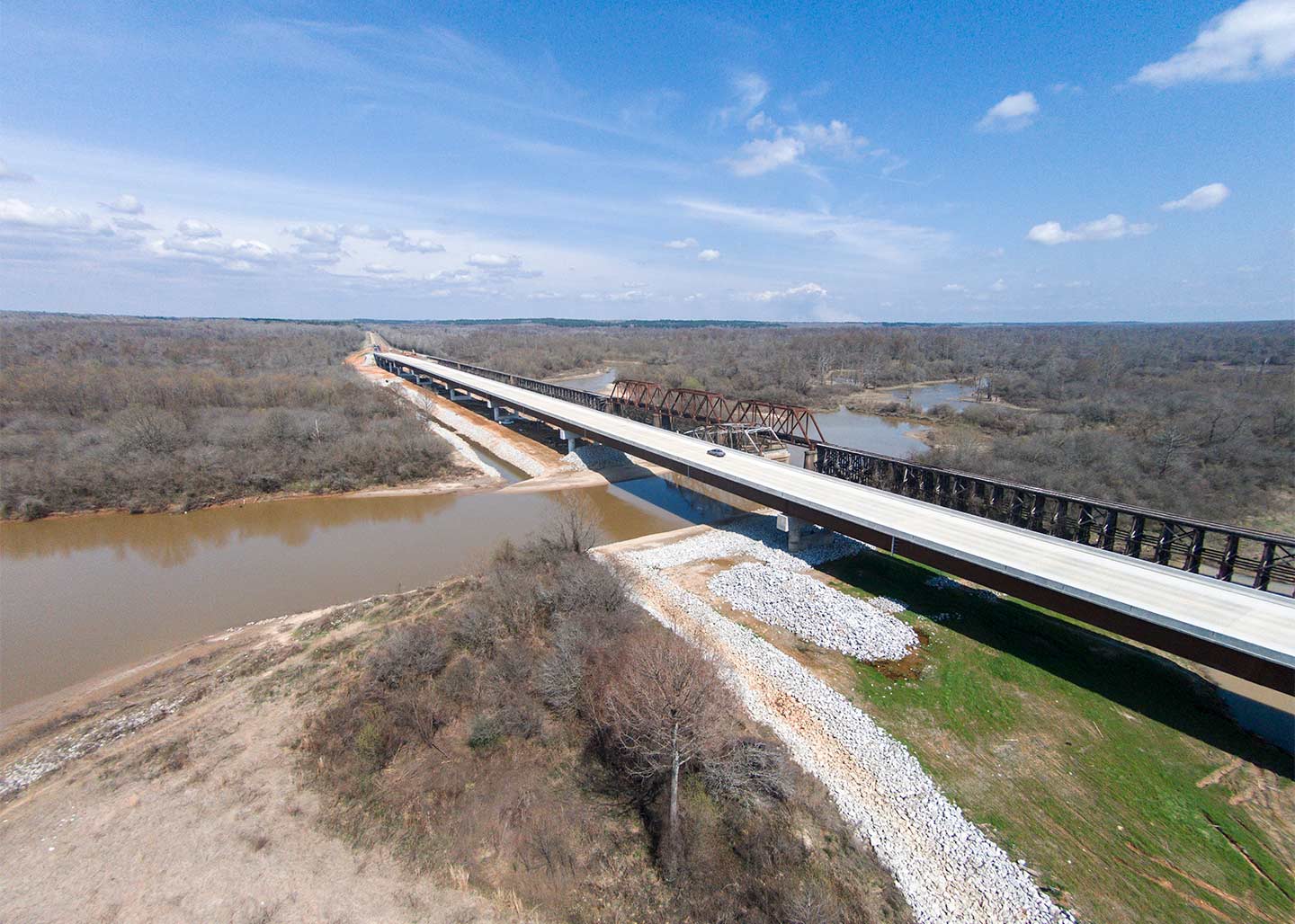
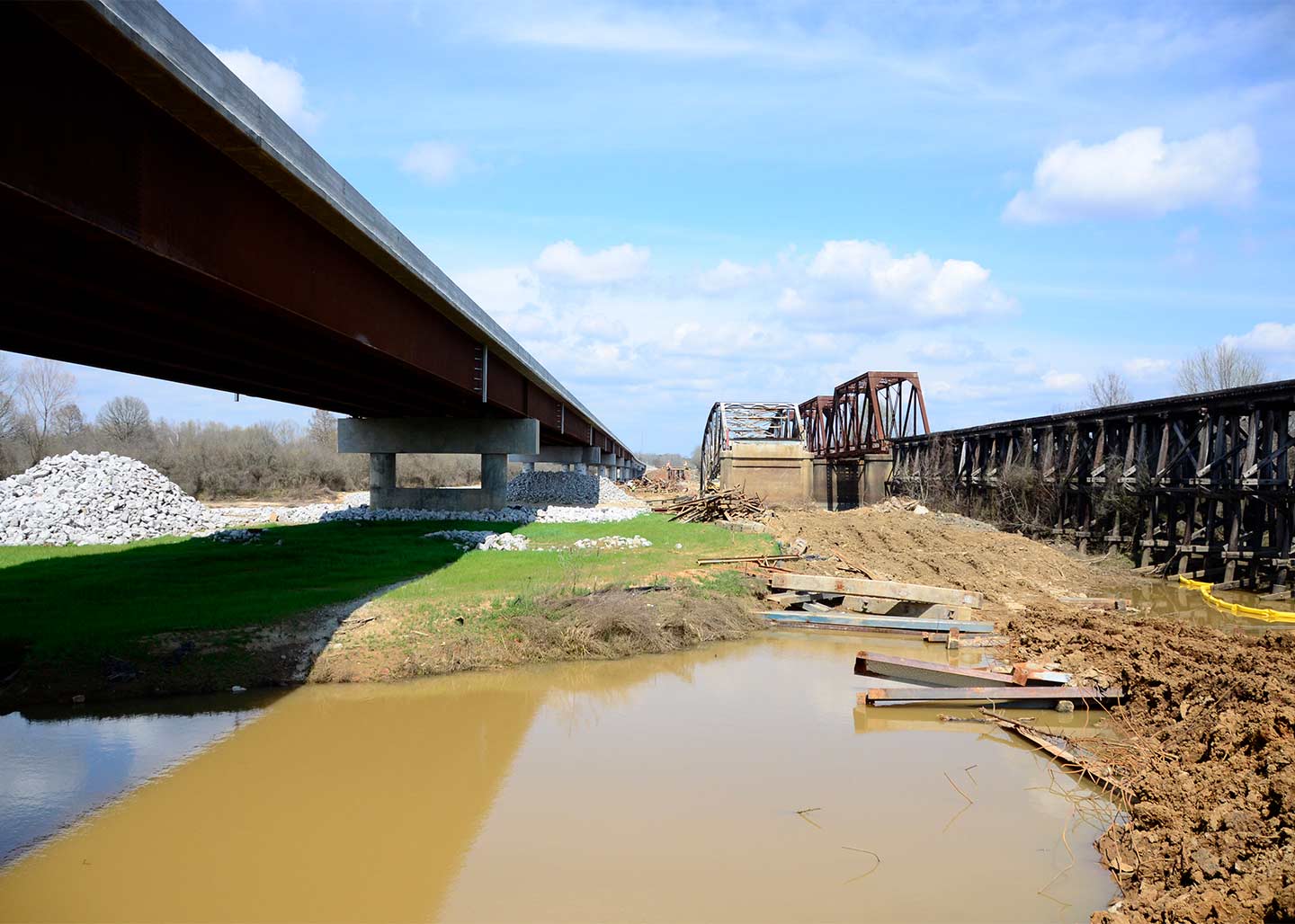
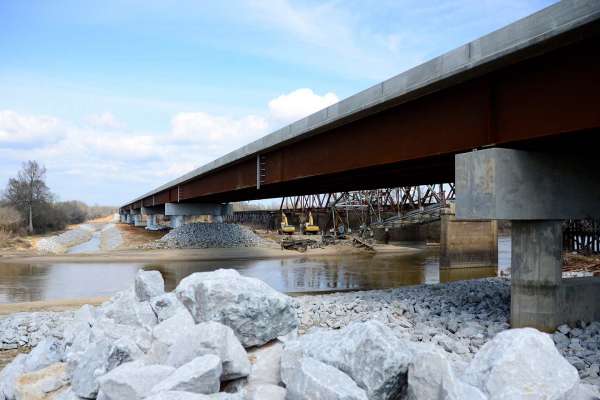
State Route 7 in Lafayette County, Mississippi is an important commercial corridor as it's one of two main routes connecting the City of Oxford with the rest of the state. Until recently, the highway crossed the Tallahatchie River via an aging truss bridge that required replacement.
The Mississippi Department of Transportation (MDOT) recognized early on that this site presented many challenges to the design of the proposed bridge replacement. The foremost concern was associated with the anticipated migration of the river channel and the ensuing deep scouring at the bridge foundations. To further complicate matters, the U.S. Geological Survey designated the bridge site as a Seismic Zone 2. Therefore, MDOT needed a design firm with strong steel plate girder, large diameter drilled shaft, and seismic design and detailing expertise to complete this project.
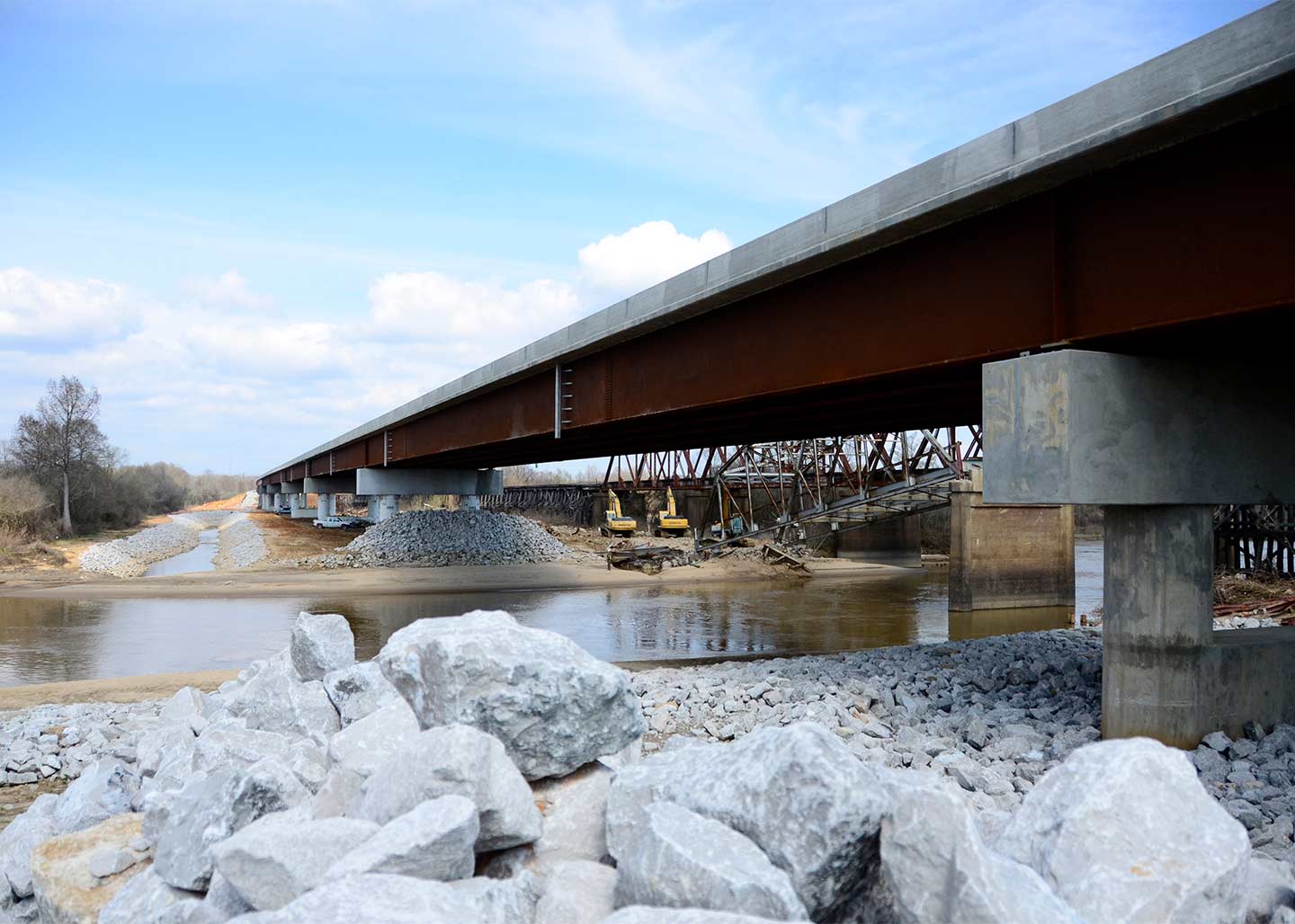
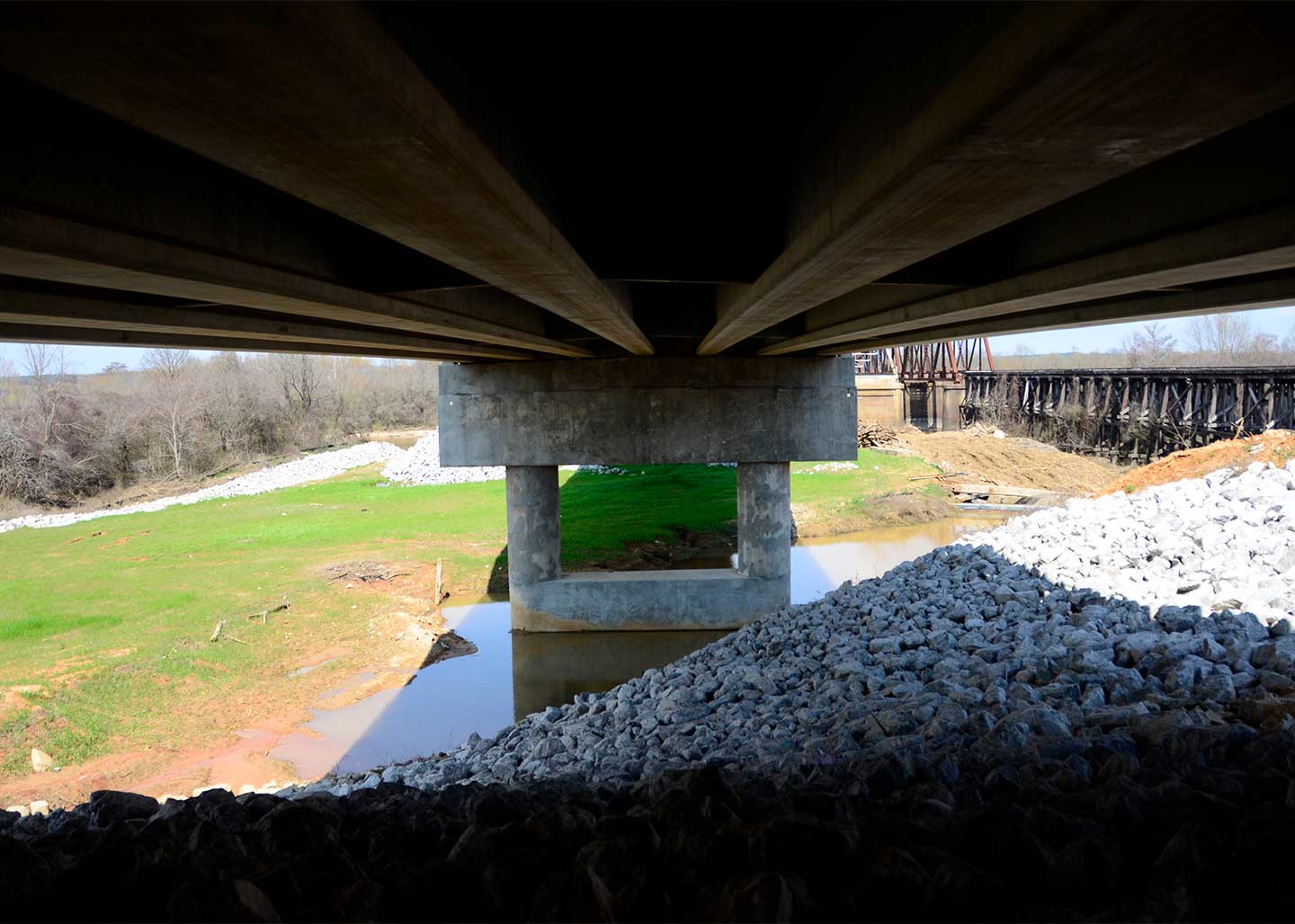
Fortunately, Garver is a full-service go-to firm for MDOT and has proven experience overcoming all of the project's complications. Garver provided roadway, bridge, and hydraulic design services to replace the existing truss bridge with a 2,210-foot-long structure comprised of multiple 130-foot bulb tee approach spans and twin 780-foot steelplate girder units with maximum spans of 300 feet. The bridge replacement also utilized deeply embedded, permanently cased drilled shaft foundations ranging in diameter from 6.5 to 8 feet.
"This project provides MDOT with a longlasting, low maintenance structure capable of withstanding the many challenges nature will deal to it in its lifetime," said Project Manager Blake Staton. "And the people of the great State of Mississippi now have a safer structure that will foster economic growth in the region."
For decades, an aging truss bridge over the Tallahatchie River in Lafayette County, Mississippi provided one of only two access points in and out of a thriving university town. When the Mississippi Department of Transportation needed to replace the bridge, difficulties arose within the anticipated migration of the river channel and the ensuing deep scouring of the bridge foundation. But, Garver overcame those complications by providing roadway, bridge, and hydraulic design services. The final product replaced the aging truss bridge with a 2,210-foot-long structure that utilized deeply embedded, permanently cased drilled shaft foundations.



Share this article