The role of public engagement in airport growth
By Andrew Samberg, P.E., Garver North Carolina Aviation Leader, and Dave DuBois ENV SP, Senior Aviation Planner at Garver
Airport growth is often viewed through the lens of planning, engineering, and funding. It is also an opportunity to engage stakeholders in shaping the future of the airport and the region it serves.
Garver has seen this play out across development programs nationwide. Whether supporting commercial service or general aviation airports, environmental reviews, or major transportation projects, we have found that the most durable growth strategies build stakeholder engagement into the planning process early.

"For airports in North Carolina and across the country, public engagement efforts are in motion early, well before construction mobilizes, and ahead of community questions potentially hardening into concerns."
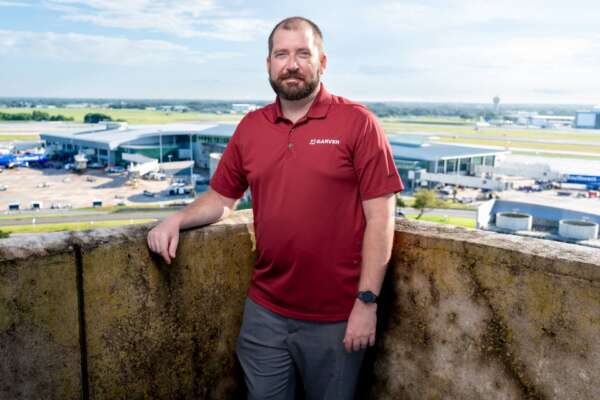
Andy Samberg
North Carolina Aviation Leader
Laying the groundwork for growth
Airports of every size are constantly striving to grow with purpose. Many are working on airport-specific goals such as expanding air service, accommodating larger aircraft, improving passenger experience, and attracting new aviation businesses. While these and other goals may be centered on adding value to the communities and regions they serve, they also create competing expectations at the same time.
A sound capital improvement program is a roadmap for growth, but it is only part of the process. Projects are often judged long before construction begins. Airports can benefit from clear messaging explaining the rationale and logic behind growth to the public and what long-term benefits they create. For airports in North Carolina and across the country, these efforts are in motion early, well before construction mobilizes, and ahead of community questions potentially hardening into concerns.

"Because our planners and engineers are directly involved in evaluating needs, alternatives, constraints, and trade-offs, they are uniquely positioned to incorporate public engagement into the process early."
David DuBois
Senior Aviation Planner
One project, multiple perspectives
Airport growth is rarely experienced the same way by every audience.
For nearby residents and non-airport users, airport growth might raise questions about added noise, air traffic, construction activity, and other environmental concerns. These people may rarely use the airport, yet they live with the effects of what gets built. They need to be informed about what is changing, why it is needed, how impacts are being evaluated and mitigated, and where their input enters the process.
For airport users, growth is often experienced as disruption. Construction can affect parking, access roads and wayfinding, curbside operations and circulation, security screening, concession availability, and holdroom capacity, often leading to delays and disruptions throughout the passenger journey. Even well-sequenced improvements can generate frustration when travelers cannot adequately see what is happening. A clear message reframes short-term inconvenience as a visible marker of progress and builds anticipation about the benefits ahead.
For airlines, tenants, developers, and regional partners, the message shifts again. Airport development can support new air service, business recruitment, cargo activity, job creation, corporate aviation, and developable land. In that context, public engagement becomes an extension of economic development. It positions the airport as a gateway for regional growth rather than a facility bracing for construction.
The challenge for airport sponsors is ensuring each audience understands the same project through a different lens.
This is where Garver’s aviation planning and engineering experience adds value beyond the design itself. Because our planners and engineers are directly involved in evaluating needs, alternatives, constraints, and trade-offs, they are uniquely positioned to incorporate public engagement into the process early, helping airport sponsors build understanding, address concerns, and explain not only what is being built, but why.
What the FAA guidance reinforces
FAA Advisory Circular 150/5050-4A, Community Involvement in Airport Planning, reinforces this approach. It calls for early public participation, scaled to the size and complexity of the action, and it draws a firm line between involvement and notification. Involvement gives people an active role in learning and responding while decisions are still open. Notification announces what has already been decided.
For airports pursuing major capital improvements, that distinction is important.
Early involvement surfaces concerns before they consolidate into opposition. It exposes gaps in understanding while there is still time to close them. It sharpens how sponsors explain need, impact, timing, and benefit. And it builds a documented record of how public input was weighed, which becomes essential for projects moving through environmental review or federal funding, where the advisory circular ties eligibility to demonstrated public participation.
Is outreach working?
Effective outreach is measured by engaging the right audiences, improving their level of understanding, and ensuring their input helps shape the path forward. The advisory circular makes a clear distinction between activity and outcomes, noting that outcomes are the strongest indicator of whether a program is working.
Reaching that standard calls for methods tailored to the audience: open houses, stakeholder briefings, project websites, visualizations that carry a concept across technical or language barriers, surveys, construction advisories, or targeted outreach to affected neighborhoods. The tools selected should fit the project. More to the point, they should fit the people who need to hear about it.
Airports that do this well are building trust on the same schedule as they build infrastructure.
What a capital plan cannot say on its own
Trust is critical in fast-growing regions where airport development intersects with residential expansion, land use pressure, economic ambition, and shifting travel demand.
Across North Carolina and throughout the region, airports are operating squarely in that environment. Growth brings opportunity, and it brings scrutiny: communities want to know how airport decisions affect quality of life; airport users want better experiences; regional partners want to see how airport investment strengthens broader competitiveness.
The airports best positioned for long-term success will be those that build stakeholder understanding with the same discipline they apply to planning, engineering, and construction. In doing so, they help their communities understand, support, and ultimately benefit from the opportunities airport growth creates.







Share this article