Addressing historic increases
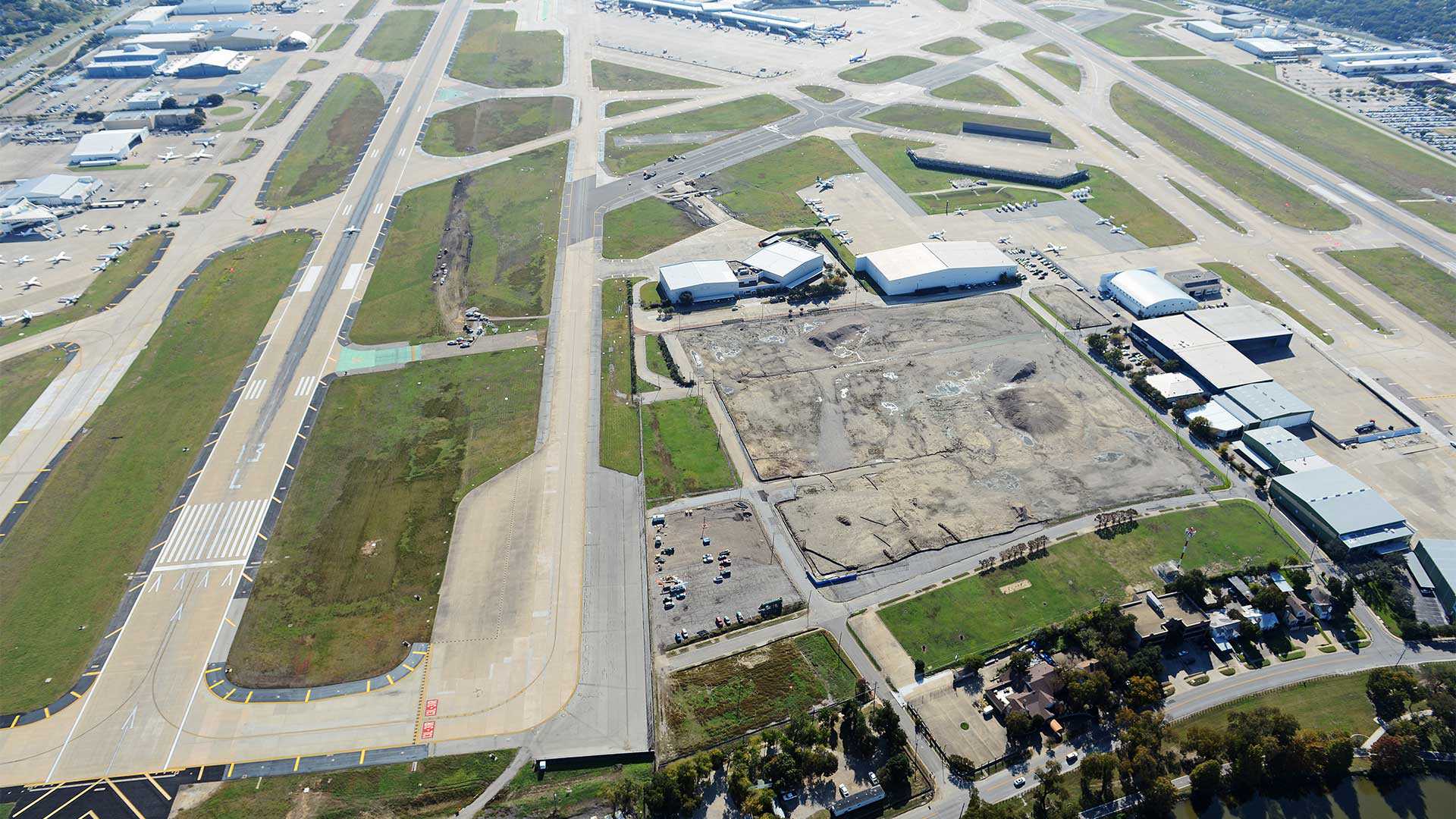
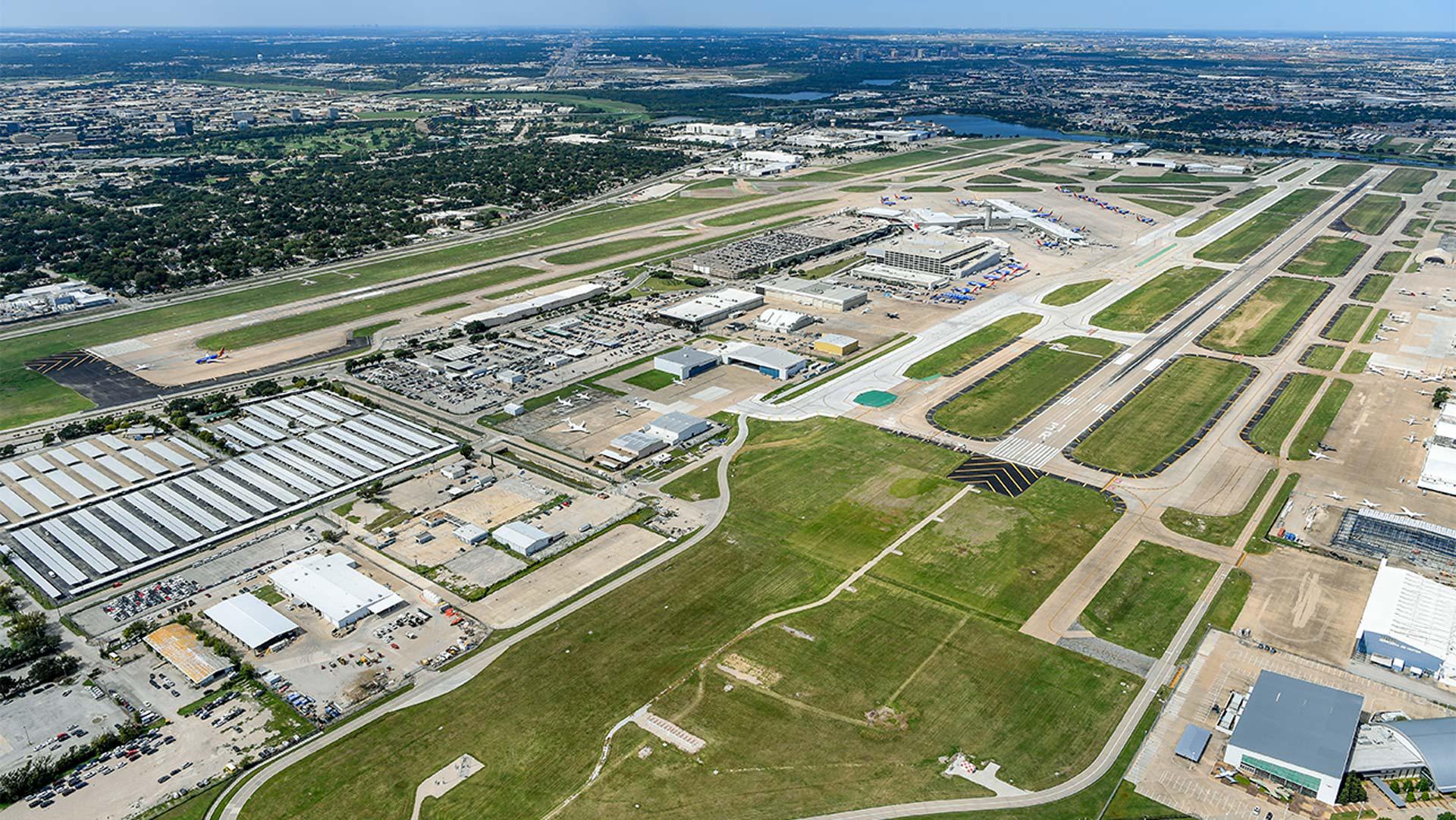
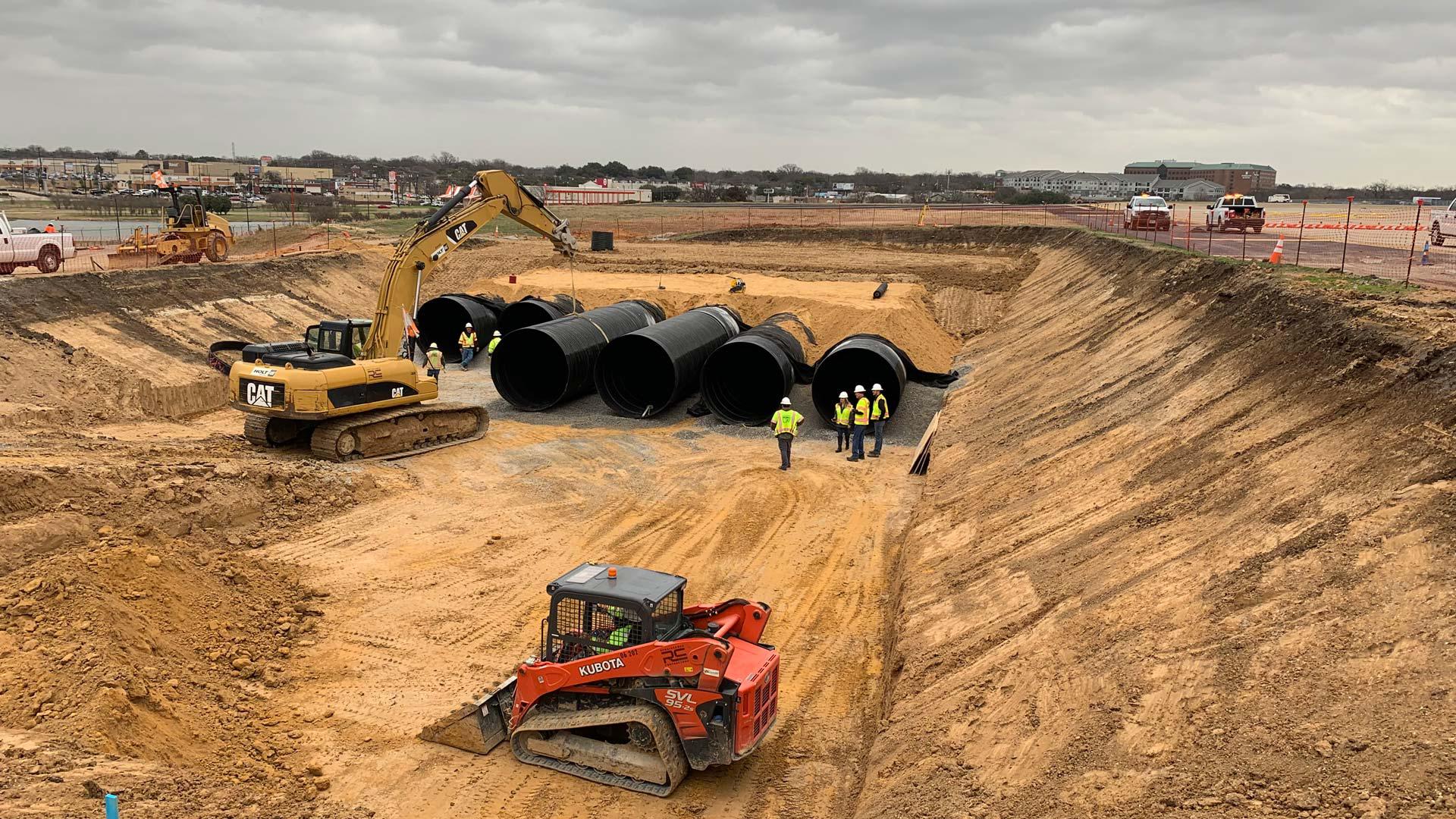
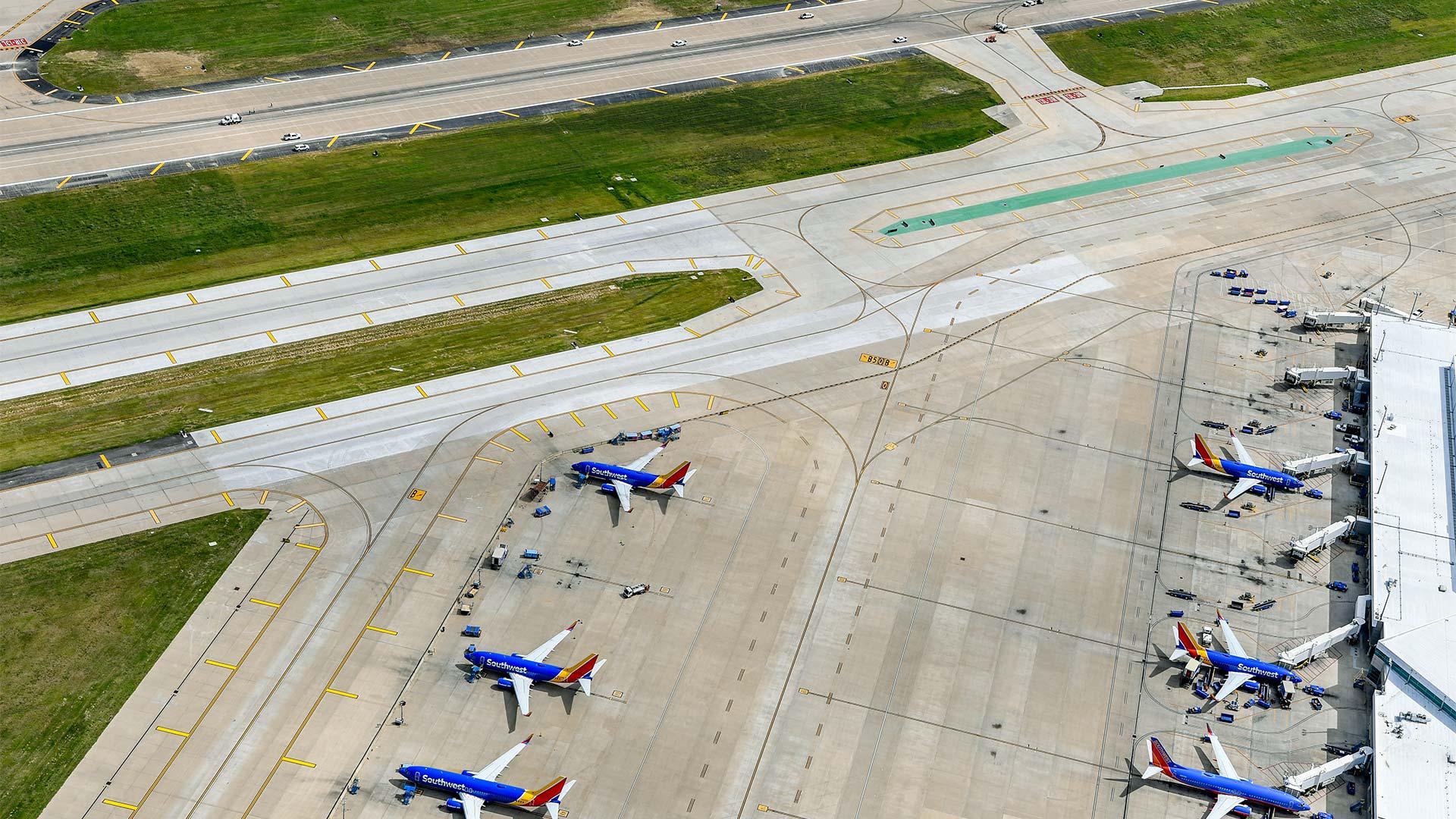
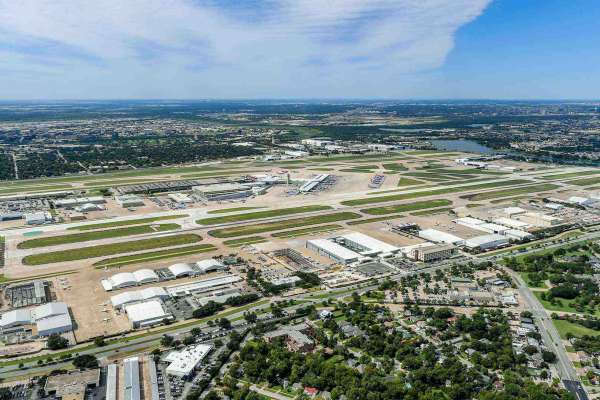
One of the country’s fastest-growing airports, Dallas Love Field, serves more than 7 million passengers annually, but its primary taxiway system had not undergone a major reconstruction in decades, leading to a low Pavement Condition Index rating of 45. To correct failing pavement and increase efficiency of the airfield, Garver is providing design and construction oversight for a four-phased improvement program that will create a dual parallel taxiway system.
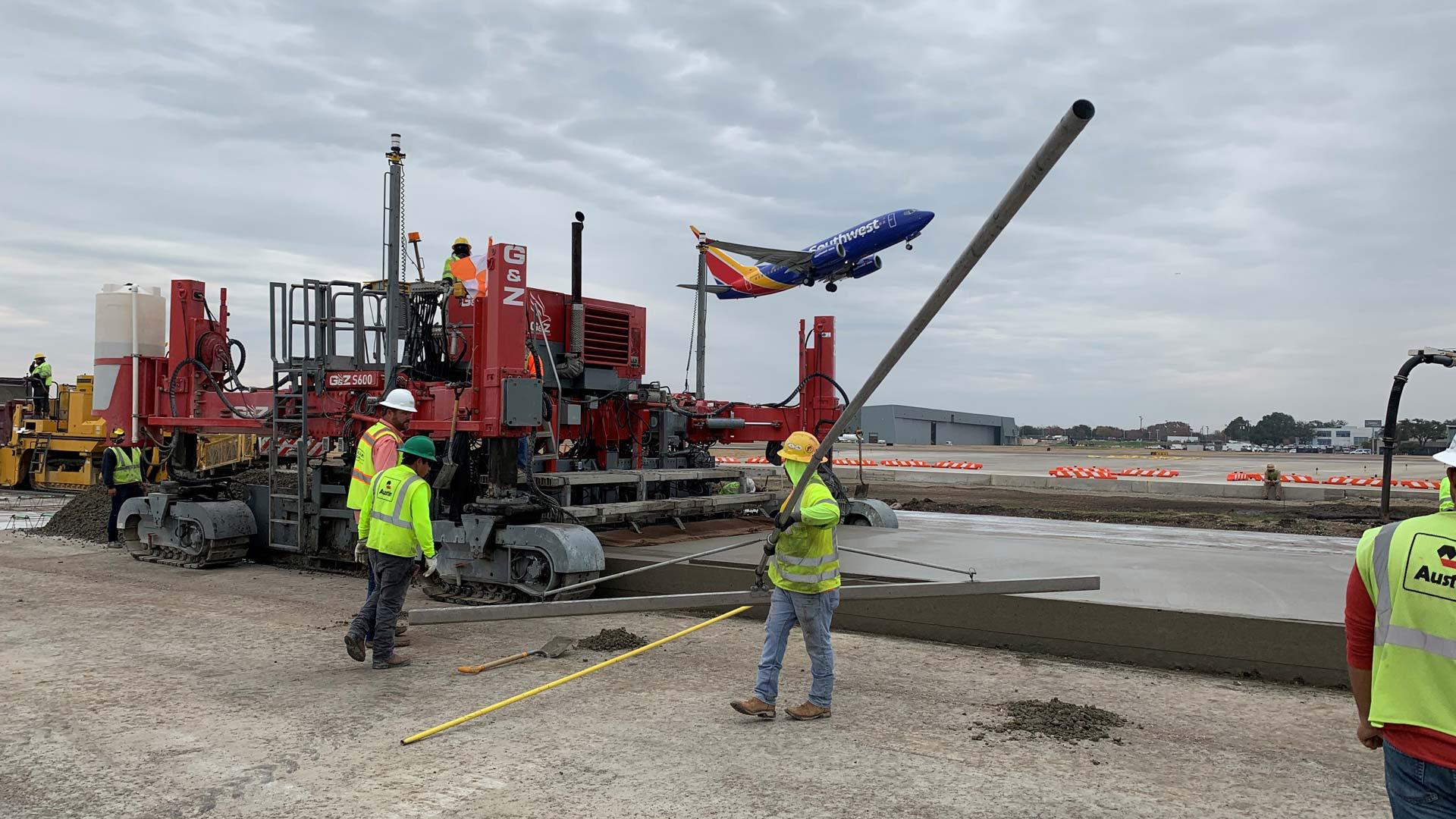
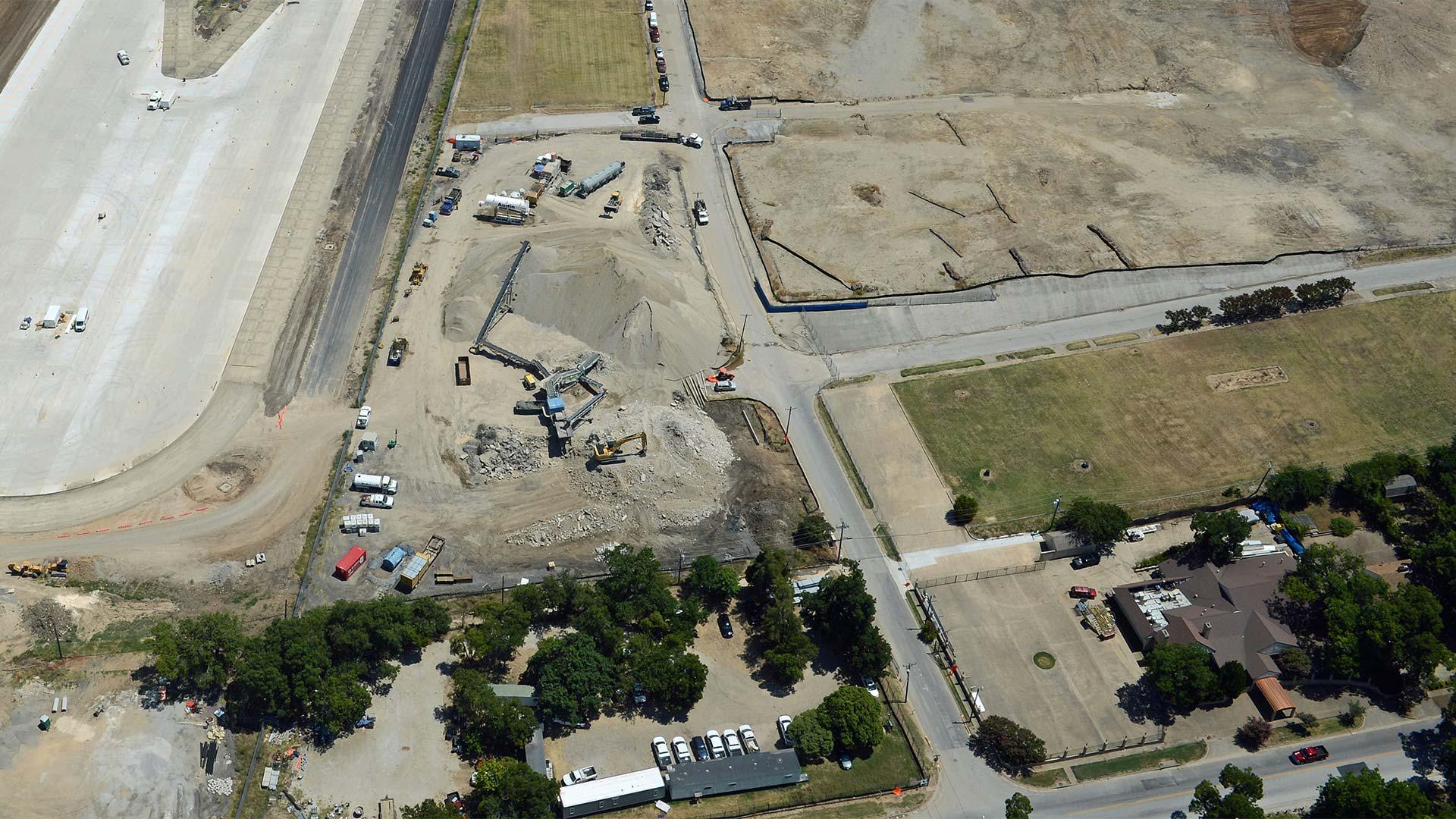
Reconstruction of Taxiway Bravo, made difficult by its proximity to a new terminal building, marked the first phase. Construction of new Taxiway M is ongoing, and required the relocation of a glide slope antenna, runway visual range equipment, a National Weather Service automated surface observation station, and a FAA surface weather station. The improvements will remake Taxiway M into a full-length parallel taxiway for Runway 13L-31R, and replace failing pavement sections on Taxiway B without impeding growth.
“It’s crucial that these improvements are made without any interruption to passengers,” said Project Manager Mitchell McAnally. “And we’re proud to say the 425-day Phase 1 schedule was completed without a single gate closure.”
Construction has begun on Phase 2, while design is ongoing for Phases 3 and 4. The result will not only include improved pavement, but also a reconfigured parallel taxiway system that will boost Dallas Love Field’s continued growth.
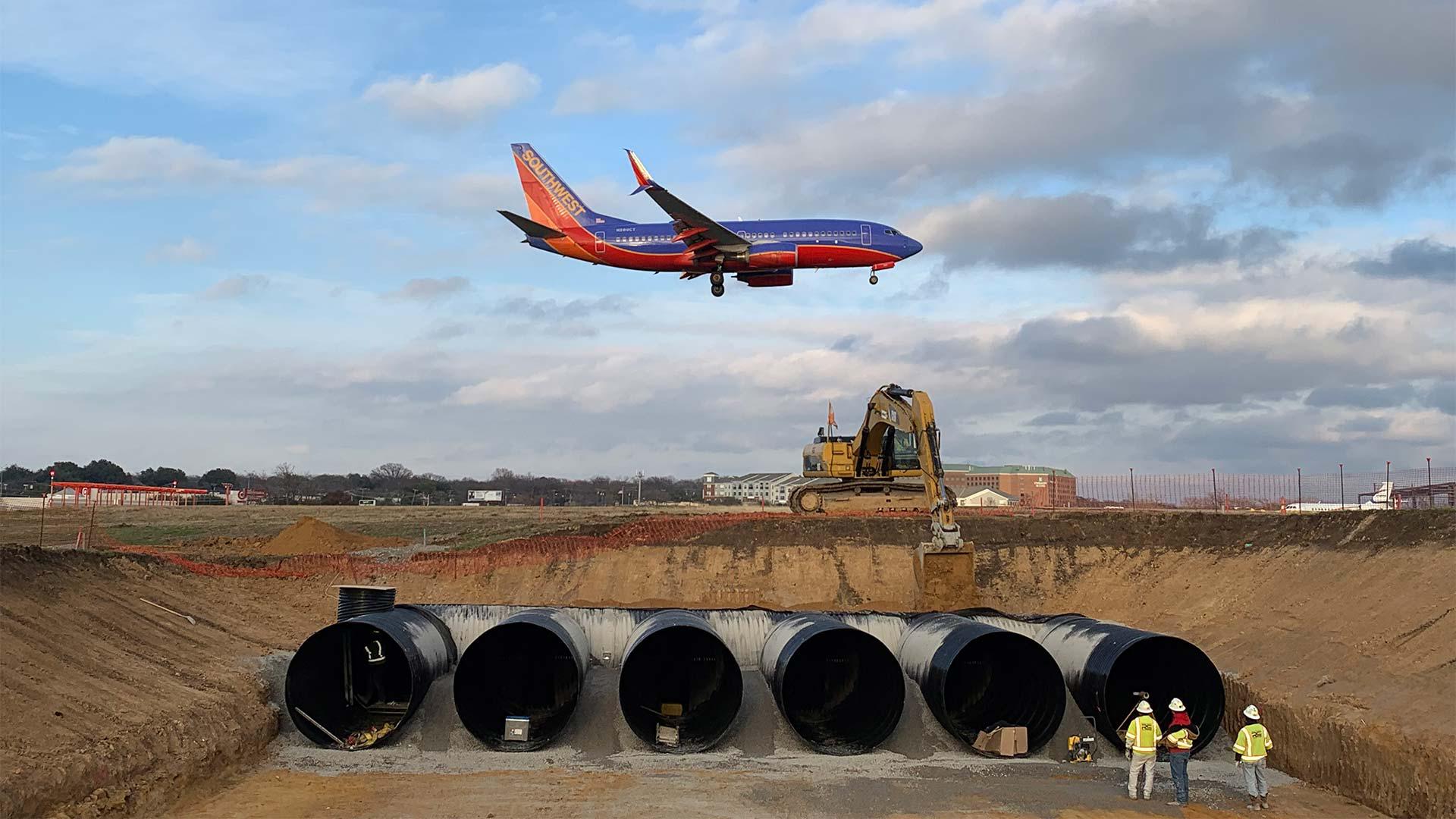
Garver partnered with the City of Dallas Department of Aviation to develop a multi-phased project that resulted in a new, full-length dual taxiway system along with improved stormwater facilities. One of the largest medium hub airports in the country, Dallas Love Field had undergone a 54% increase in passenger count following the completion of a new terminal facility, which allowed it to fly non-stop to all domestic destinations while also utilizing larger aircraft. To address the stress placed on Taxiway Bravo, the primary taxiway used by aircraft for arrivals and departures on Runway 13L-31R, Garver led this multi-phased rehabilitation of two parallel taxiways, each more than 7,700 feet long. The project included an analysis of the existing stormwater system, which conveys runoff into a nearby lake that is a popular recreation destination; and relocation of the primary weather observation station. Garver emphasized stakeholder engagement and coordination throughout the project to ensure construction was complete before the reconstruction of Runway 13R-31L began.




Share this article